
- The upcoming crypto bear market has laid bare less robust DeFi initiatives, leaving them with solvency and a sluggish development rate.
- Slower liquidity, lower activity on its platforms is raising up the risk for DeFi investors.
- The DeFi ecosystem is more likely to continue to flourish and be led by a strong and transparent platform during the next bull run.
The decentralized finance (DeFi) sector has long been recognized as one of the most innovative areas of the cryptocurrency industry. By allowing users to lend, borrow, stake, earn yield, and trade digital assets without relying on traditional financial institutions, DeFi attracted billions of dollars in investment during the last crypto boom.
However, the ongoing Crypto Bear Market has exposed the challenges facing the sector. As digital asset prices remain under pressure, many DeFi projects are struggling with reduced funding, slower development, and declining user activity. Some platforms have even shut down completely, leaving investors with significant losses and fewer opportunities to recover their investments. The Crypto Bear Market has highlighted the importance of evaluating project sustainability, liquidity, and long-term viability before committing capital to decentralized finance.
DeFi Faces New Challenges in a Prolonged Crypto Bear Market
During periods of strong market growth, new DeFi projects emerge almost daily, attracting users with high yields and ambitious roadmaps. However, when cryptocurrency prices decline and trading activity slows, many projects struggle to maintain operations.
The current crypto bear market has highlighted significant weaknesses across the decentralized finance ecosystem. Several protocols have experienced declining total value locked (TVL), shrinking user activity, and reduced investor interest. As venture capital funding becomes harder to secure, some projects have been forced to cut costs, pause development, or abandon their communities altogether.
For many retail investors, this creates uncertainty about the safety of their digital assets and the long-term viability of the platforms they use.
Why DeFi Investors Are Increasingly Vulnerable
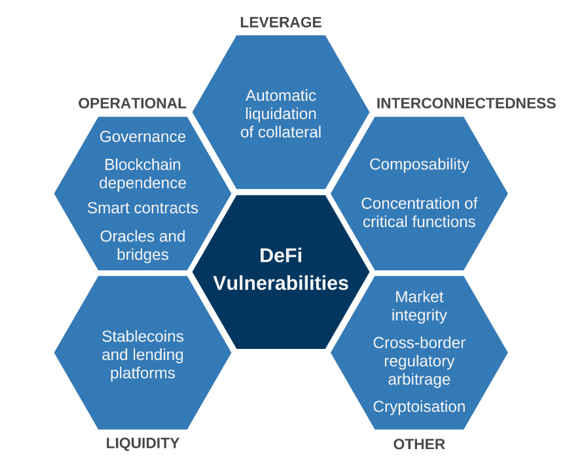
One of the biggest risks in decentralized finance is project sustainability. Unlike traditional financial institutions, many DeFi protocols rely heavily on token incentives, community participation, and continuous development to remain competitive.
When a project loses momentum, users often face several challenges:
– Reduced liquidity in decentralized exchanges.
– Lower staking and yield farming rewards.
– Delayed product updates and roadmap execution.
– Security concerns due to reduced maintenance.
– Declining token values and ecosystem activity.
As projects fade away, investors can find themselves holding tokens with limited utility and declining market demand.
Falling Liquidity Creates Additional Pressure
Liquidity remains the foundation of every successful DeFi ecosystem. During a bear mark/et, capital often exits riskier assets and moves toward stablecoins, Bitcoin, or traditional investments.
This migration reduces liquidity across decentralized exchanges and lending protocols. Lower liquidity can lead to higher slippage, increased volatility, and reduced earning opportunities for users. In extreme cases, platforms with insufficient liquidity may struggle to support normal market activity.
For investors seeking passive income through staking or yield farming, these conditions can significantly reduce returns.
Trust and Transparency Become Critical
The recent downturn has reinforced the importance of transparency within the cryptocurrency industry. Investors are increasingly evaluating whether DeFi projects have active development teams, clear governance structures, sustainable revenue models, and long-term growth strategies.
Projects that communicate openly with their communities tend to maintain stronger user confidence during difficult market conditions. Meanwhile, protocols that fail to provide updates often experience faster declines in user engagement.
As the DeFi market matures, investors are becoming more selective and focusing on fundamentals rather than short-term rewards.
The Future of Decentralized Finance
Despite current challenges, decentralized finance remains a major innovation within the blockchain ecosystem. Industry experts believe that the strongest DeFi protocols will emerge from the bear market with improved security, better governance, and more sustainable business models.
The next phase of DeFi growth may focus less on speculative yields and more on real-world utility, institutional adoption, tokenized assets, and cross-chain interoperability. Projects that successfully adapt to changing market conditions could become leaders during the next cryptocurrency bull cycle.
Conclusion
The crypto bear market is exposing significant risks for DeFi investors as weaker projects struggle to survive. While decentralized finance continues to offer exciting opportunities, investors must carefully evaluate project fundamentals, liquidity conditions, security practices,
and community engagement before committing capital. As market conditions remain uncertain, risk management and thorough research have become more important than ever for anyone participating in the evolving DeFi ecosystem.