

- Tech stocks led global market losses as investors turned cautious ahead of key economic data and corporate earnings.
- Falling oil prices eased inflation concerns but raised fresh questions about global economic growth and energy demand.
- Markets remain focused on inflation, interest rates, and central bank decisions that could shape the next market trend.
Global financial markets ended the week on a cautious note as investors responded to fresh weakness in Tech Stocks and continued declines in crude oil prices. While the broader economy remains relatively stable, uncertainty over corporate earnings, inflation, and future central bank decisions is keeping traders on edge across major global exchanges.
The latest market moves show how quickly investor confidence can change when Tech Stocks lose momentum. After months of strong gains fueled by artificial intelligence and semiconductor companies, the technology sector is facing renewed selling pressure, prompting investors to reassess risk and monitor upcoming economic data for clues about market direction.
Tech Stocks Face Fresh Selling Pressure
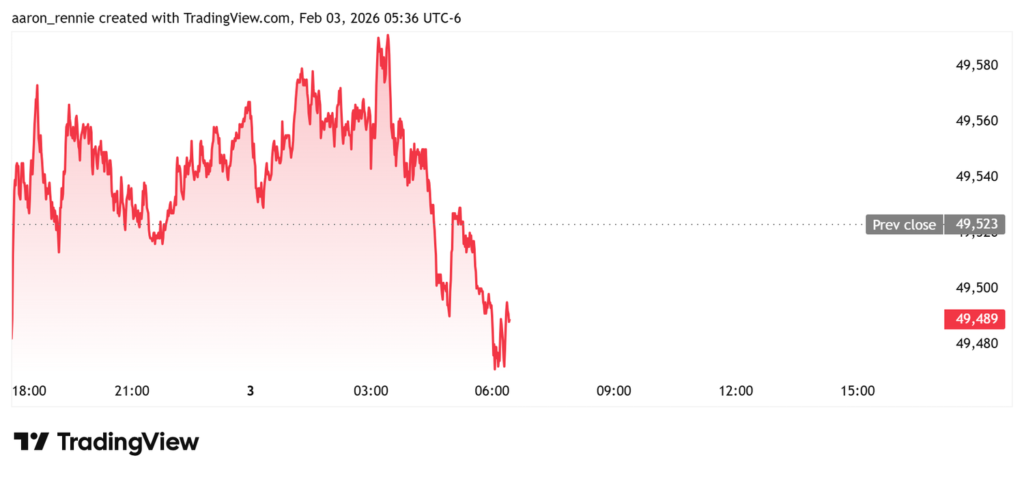
Technology companies once again became the primary source of market weakness. Investors booked profits in several high-growth stocks after concerns emerged over rising operating costs and slowing demand in certain segments of the technology industry.
Analysts believe that while long-term demand for AI infrastructure remains healthy, elevated valuations have encouraged investors to reduce exposure ahead of upcoming corporate earnings and key economic data releases.
As a result, major stock indices in the United States, Europe, and Asia experienced moderate declines led by weakness in the technology sector.
Oil Prices Move Lower
Crude oil prices also slipped during the trading session as traders balanced expectations of steady global supply against concerns that slower economic growth could reduce fuel demand.
Lower oil prices often help reduce inflationary pressure for businesses and consumers. However, the decline also reflects growing caution about the pace of global economic expansion during the second half of the year.
Energy companies experienced mixed trading, with some producers facing pressure while transportation and manufacturing businesses welcomed lower fuel costs.
Investors Await Important Economic Data
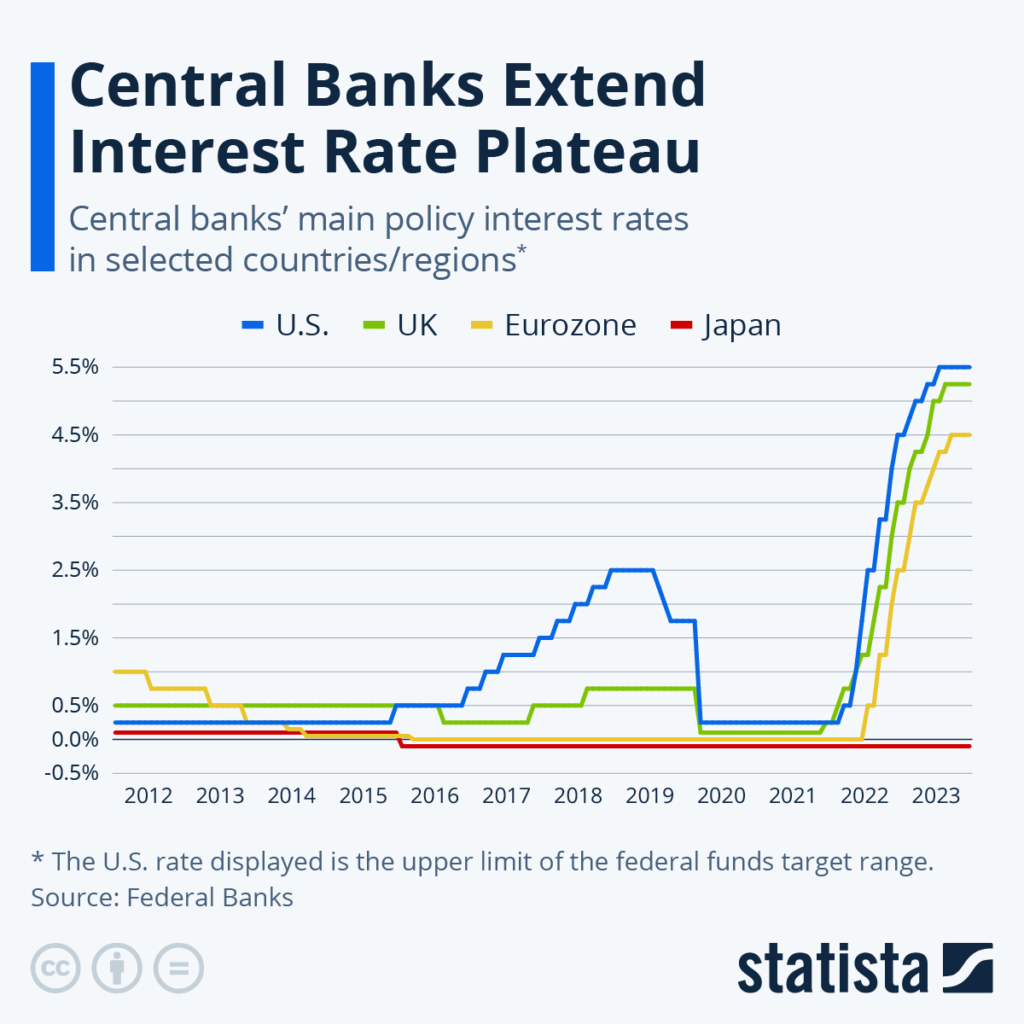
Attention has now shifted toward upcoming economic indicators, particularly employment data and inflation reports from major economies.
These reports are expected to provide fresh insight into whether central banks, including the
U.S. Federal Reserve, may begin easing monetary policy later this year or maintain higher interest rates for longer.
Higher borrowing costs have remained one of the biggest challenges for equity markets over the past year, especially for growth-focused sectors like technology.
Volatility of the market continues to be high.
The drop is down, but analysts are not ready to make that call because of the recent sell off, but not the beginning of a long bear market. Rather, the currentemic weakness is due to a consolidation period that followed months of an impressive rally. The levels of market liquidity, institutional fund flows and global economic indicators are three major factors being watched by investors for signs of a return of risk appetite. Support material in either or greater than anticipated corporate earnings could rapidly lead to renewed confidence in inflation and renewed purchasers throughout technology and equity markets.
Global Investor Sentiment Turns Defensive
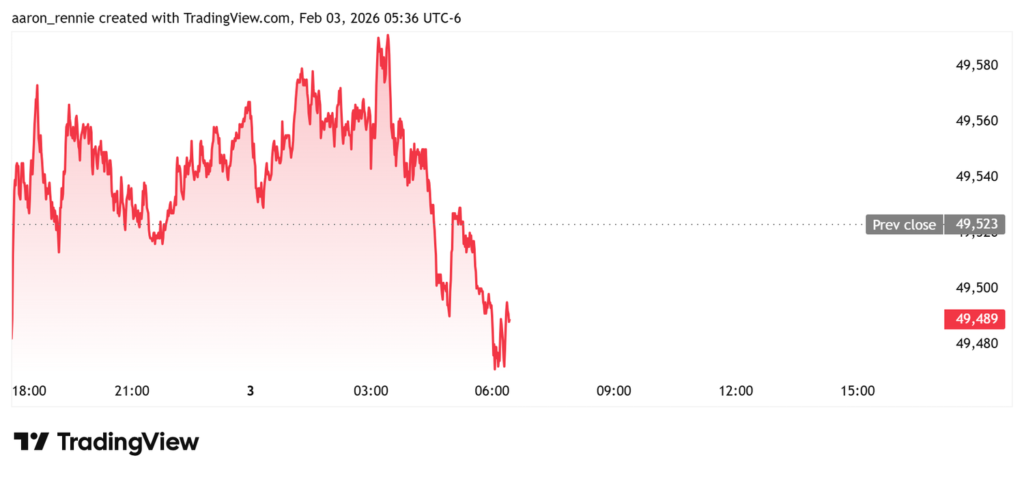
With uncertainty surrounding interest rates and corporate earnings, investors increasingly rotated toward defensive sectors such as healthcare, utilities, and consumer staples.
Meanwhile, traditional safe-haven assets including gold continued attracting attention as traders looked to reduce portfolio risk.
Market experts note that short-term volatility is likely to remain elevated until investors receive greater clarity on inflation trends and future central bank decisions.
What Could Markets Watch Next?
Several factors are expected to shape global markets over the coming weeks:
– U.S. employment and inflation data
– Corporate earnings from major technology companies
– Central bank policy signals
– Crude oil demand forecasts
– Geopolitical developments affecting energy markets
Positive economic surprises could improve investor confidence, while weaker-than-expected data may trigger additional volatility across global equity markets.
Conclusion
Global financial markets remain in a consolidation phase as investors evaluate mixed economic signals. The combination of softer oil prices, renewed weakness in technology stocks, and uncertainty over future interest rate decisions has encouraged a more cautious approach among market participants.
Although long-term economic growth expectations remain intact, short-term volatility is likely to continue until clearer signals emerge from upcoming economic reports and corporate earnings. Investors will closely monitor these developments to assess the direction of global markets during the weeks ahead.